
Taliouine: cradle of Moroccan red gold
The saffron economy and local life
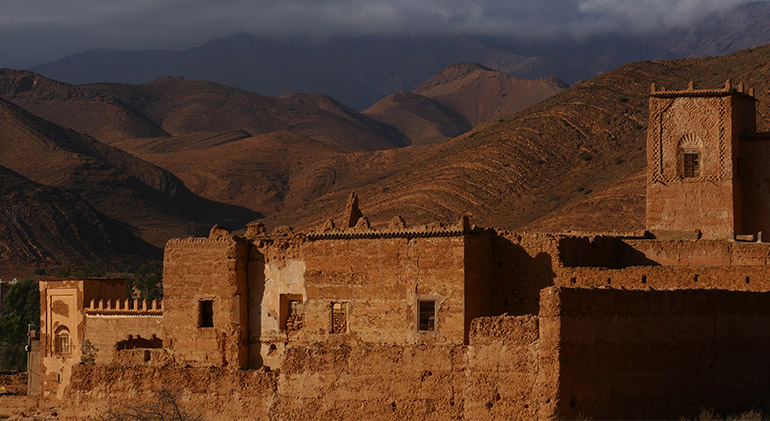
Nestled in the Anti-Atlas mountains, in the Souss-Massa region (southern Morocco), Taliouine rises to approximately 1,080–1,200 m altitude, giving it unique natural conditions: mountainous terrain, semi-arid climate, cool nights, an ideal terroir for saffron cultivation.
This small town, nicknamed the “Capital of Red Gold”, is at once an agricultural territory, a place of traditions and a symbol of Moroccan identity.
The saffron economy & local life
For centuries, saffron has been cultivated there on small plots, often family-owned, and represents an essential income for many families.
In Taliouine, the saffron harvest takes place every autumn, generally between mid-October and mid-November.
This traditional culture also offers employment opportunities, particularly for women, and contributes to local development, generating wealth and strengthening the social and economic fabric of the region.
Taliouine saffron: an exceptional product
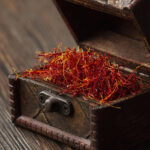
Taliouine saffron is renowned for its purity, deep color and unique aroma, qualities that distinguish it on the national and international market.
This precious spice, sometimes called “red gold”, is the result of know-how passed down from generation to generation, and favorable natural conditions.
A cultural and touristic heritage
Taliouine is not limited to saffron cultivation: the region offers spectacular mountain landscapes, traditional villages, rich local gastronomy, and living traditions, making Taliouine a destination of authenticity and terroir.
Each year, the Taliouine International Saffron Festival attracts producers, visitors and curious people from all over the world, a highlight of promoting the spice and sharing culture.